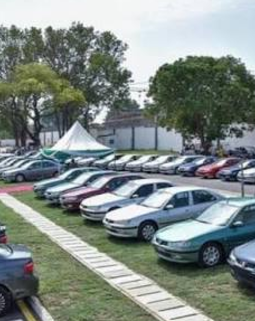



Digital traffic management in Benin is becoming essential as urban congestion grows in cities like Cotonou, Abomey-Calavi, and Porto-Novo. Despite significant investments in road infrastructure, traditional traffic control methods struggle to handle increasing vehicle numbers, especially motorcycles. The government is now turning to smart mobility solutions to optimize traffic flow, improve safety, and enhance overall transportation efficiency.
How Digital Traffic Management Works
Advanced Traffic Control Systems
The new digital traffic management in Benin initiative will utilize connected devices, sensors, and AI-powered systems to regulate traffic more effectively. These technologies will help monitor road conditions in real time, allowing authorities to adjust traffic signals and manage congestion dynamically. By analyzing vehicle movement, the system can redistribute traffic across different routes, reducing bottlenecks in major urban areas.
Real-Time Data and Smart Roads
One of the key aspects of digital traffic management in Benin is the integration of real-time data collection. With cameras and connected road sensors, traffic patterns can be studied to predict and prevent congestion. Additionally, intelligent traffic signals will adapt to vehicle flow, giving priority to heavily congested areas and improving overall efficiency.
Benefits of Digital Traffic Management in Benin
-
Reduced Congestion and Improved Safety
By implementing digital traffic management in Benin, road users will experience smoother traffic flow and reduced waiting times at intersections. The system will also improve pedestrian safety by managing crossings more effectively and reducing accident-prone zones. AI-powered cameras and sensors will detect reckless driving, alerting authorities to potential risks. -
Better Road Maintenance Planning
Another major advantage of digital traffic management in Benin is the ability to plan road maintenance proactively. Smart monitoring tools will help identify infrastructure wear and tear, allowing repairs to be scheduled efficiently, reducing road deterioration, and minimizing unexpected closures.
Challenges and Future Prospects
-
Infrastructure and Vehicle Compatibility
While digital traffic management in Benin presents many advantages, it also faces challenges. The country’s current vehicle fleet may lack the connectivity needed for advanced smart mobility features like Vehicle-to-Infrastructure (V2I) communication. Additionally, expanding the necessary infrastructure, such as smart traffic lights and data-processing centers, requires significant investment. -
Lessons from Other Countries
Countries like South Africa, Morocco, and Egypt have successfully implemented smart mobility solutions. Benin can learn from their experiences by adopting scalable technology that suits its unique transportation landscape. Gradual implementation and public awareness campaigns will be crucial for ensuring a smooth transition to intelligent traffic management.
The Future of Smart Mobility in Benin
With government backing and technological advancements, digital traffic management in Benin has the potential to revolutionize urban transportation. By integrating connected devices and real-time monitoring, Benin can significantly improve road safety and efficiency. Drivers looking for reliable vehicles to navigate these modernized roads can explore options on Auto24 Benin, a trusted marketplace for cars suited to evolving traffic conditions.
What are your thoughts on digital traffic solutions in Benin? Share your views in the comments!
For more, visit Auto24 Benin.