


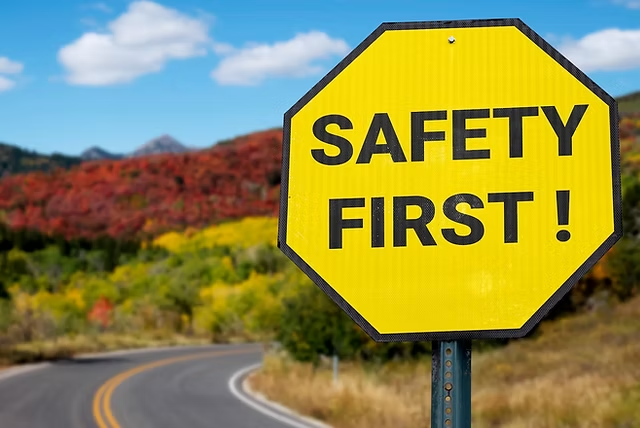
Driving in Benin’s cities — especially Cotonou — demands focus, preparation, and respect for local traffic patterns. Prioritizing Benin driving safety keeps you, your passengers, and other road users safer. Below are pragmatic tips that work for daily commuters and visitors alike.
Stay Alert to Mixed Traffic
City streets in Benin often host cars, minibuses, motorbikes, bicycles, and pedestrians sharing narrow lanes. Practice defensive driving: anticipate sudden stops by public transport and watch for motorbikes weaving between lanes. This situational awareness is the foundation of Benin driving safety.
Visibility and Signaling
Use lights and signals early — sudden moves create hazards. During dawn, dusk, or heavy rain, keep headlights on and use indicators for lane changes and turns. High-visibility clothing for motorbike riders and reflective stickers for cars improve Benin driving safety for all road users.
Respect Local Road Rules and Customs
While official laws exist, customary practices can vary. Observe local behaviors and adapt speed accordingly. In market areas or near schools expect frequent pedestrian crossings. Following both formal regulations and informal norms strengthens overall Benin driving safety.
Watch for Motorbikes and Shared Taxis
Motorbikes and shared taxis are ubiquitous. Give them extra space and avoid abrupt lane-hugging. If you park along busy streets, check mirrors carefully before opening doors — this reduces collisions and contributes to Benin driving safety in congested zones.
Maintain Your Vehicle Regularly
Good vehicle condition underpins road safety. Check brakes, lights, tires, and wipers frequently. In hot seasons monitor coolant levels and in rainy seasons ensure good tire tread. Routine checks support Benin driving safety and reduce the chance of breakdown-related hazards.
Defensive Driving Techniques
Keep a safe following distance, especially behind heavy minibuses that stop frequently. Use mirrors constantly and plan escape routes in case of sudden obstacles. A calm, patient driving style lowers collision risk and reinforces Benin driving safety across urban routes.
Night Driving Precautions
Some city and suburban roads have limited lighting. Reduce speed, use high beams responsibly, and be vigilant for animals or pedestrians. Avoid unlit side streets when possible — these habits improve Benin driving safety after dark.
Emergency Preparedness
Carry a basic emergency kit: reflective triangle, flashlight, first-aid items, water, and a charged phone. If you break down, move the vehicle off the carriageway when safe and use hazard lights. Preparedness is a key element of Benin driving safety and helps manage incidents calmly.
Engage with Local Resources
For route planning, breakdown assistance, or vetted mechanics, use trusted local networks. Platforms that list services for drivers can be helpful; for vehicle purchase or service connections visit Africa Car Group’s portal for contacts and options that support Benin driving safety.
Final Thoughts
Improving Benin driving safety is a mix of good vehicle care, attentive driving, and respect for local traffic dynamics. Whether you’re a daily commuter in Cotonou or an occasional visitor, these measures make urban driving more predictable and far safer.
What’s your best tip for staying safe on Benin’s busy streets? Share your experience or ask a question in the comments — your insight may help fellow drivers improve Benin driving safety today!